Romance scam: how to recover your money
Did you send money to someone you met online who turned out to be a scammer? You are not alone, and it is not your fault. Here are the concrete steps you can take to respond and try to recover your funds.
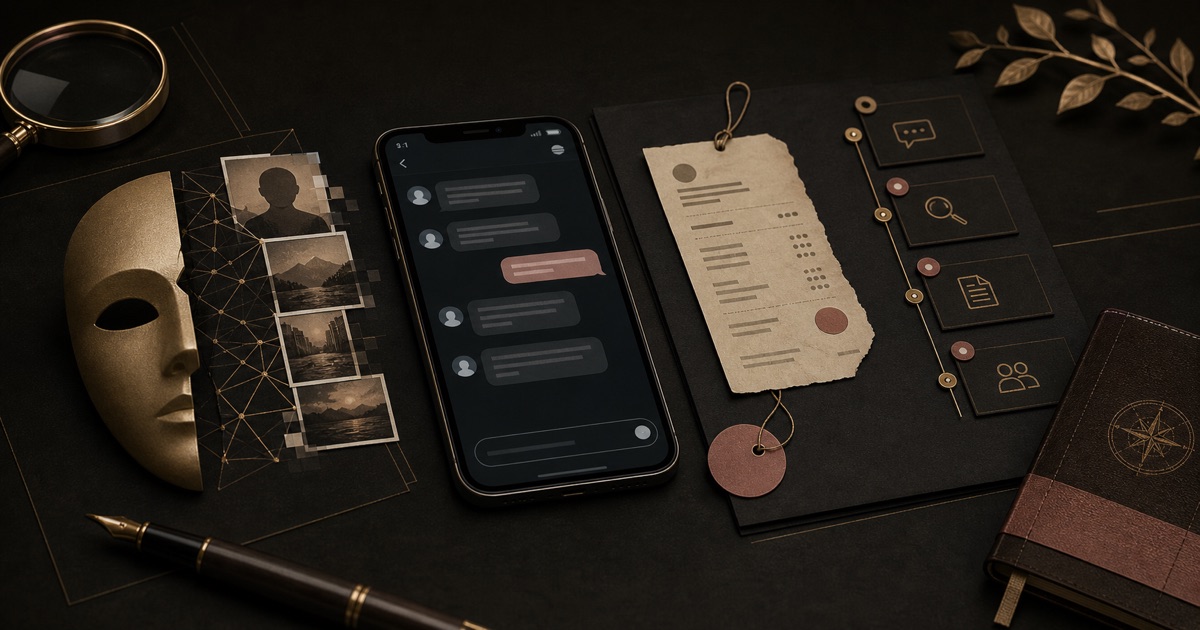
A romance scam relies on long, methodical emotional manipulation. The scammer earns your trust before asking for money: a medical emergency, funds that need unlocking, customs fees, a plane ticket, and then often a miraculous “investment”. Shame drives many victims into silence — but acting quickly is still possible.
1. Recognise the romance scam
A few recurring warning signs, especially when they occur together:
- Very rapid attachment, with early and intense declarations of love.
- Systematic refusal of video calls and in-person meetings, with excuses (a mission abroad, military service, an oil rig, humanitarian surgery).
- Flattering profile photos that are often stolen from real people.
- Requests for money that appear and then escalate: an emergency, a parcel to be released, fees, and a shift towards a promising “investment”.
- Pressure and guilt-tripping the moment you hesitate.
2. First reflexes: cut contact without exposing yourself
- Stop all payments immediately, including the “final” fees supposedly needed to unlock everything.
- Do not confront the scammer or warn them about the steps you are taking: they would erase their tracks.
- Delete nothing before you have saved everything: this is your evidence file.
- Be wary of a new contact who, shortly afterwards, claims to be able to “recover” your money.
3. Gather the evidence
Collect the following, dated and legible:
- The profile (name, alias, platform, screenshots) and the photo that was used.
- The complete conversations (dating-app messaging, WhatsApp, Telegram, emails).
- The proof of transfer: bank transfers, card payments, money orders, crypto wallet addresses and transaction IDs.
- The bank details or wallets the money was sent to.
4. Financial remedies
Depending on how you paid, several options exist — act on them as quickly as possible:
- Bank transfer: ask your bank in writing to open a funds recall procedure and to preserve the information about the beneficiary account.
- Card payment: request a chargeback within the applicable time limits.
- Cryptocurrency: the banking route does not apply, but blockchain tracing remains possible — see our guide on recovering your money after a crypto scam.
5. Report and file a criminal complaint in Switzerland
Fraud is covered by Article 146 of the Swiss Criminal Code. The useful channels are:
- Cantonal police: file a criminal complaint in your canton.
- Suisse ePolice: report the fraud online without leaving home.
- FOCS (Swiss National Cyber Security Centre): report fraudulent profiles and platforms.
Swiss Crime Prevention documents this type of scam in detail: you will probably recognise your own situation, which helps to break the sense of isolation.
6. Identify the scammer behind the profile
Romance scammers leave traces you can work with. A reverse image search often reveals that the photo is stolen. Beyond that, an OSINT investigation lawfully cross-references aliases, phone numbers, emails, infrastructure and financial details to link the profile to a real operator and produce a usable report. See our guide on how to identify an online scammer with OSINT.
7. You are not to blame
These networks are organised and trained to manipulate; they target thousands of people across many countries. Shame is exactly what they count on to keep you silent. Speaking up, reporting and getting support are the first steps to regaining control.
Have your case reviewed
Our OSINT investigators identify the perpetrator, trace the money flows and build a complete case, in full confidentiality. A feasibility assessment before any commitment.
Open my investigation case
Frequently asked questions
How do you recognise a romance scam?
Feelings that develop very fast, someone met online who systematically refuses video calls and real-life meetings, recurring excuses (travel, military service, an oil rig), and then requests for money for an emergency, customs fees, a plane ticket or a promising 'investment'. The profile photo is often stolen.
Can you recover money sent to a romance scammer?
It is sometimes possible but never guaranteed. It all depends on the payment method (bank transfer, card, crypto, money order), how quickly you react and how traceable the funds are. Act as fast as you can: contact your bank about a possible funds recall and keep all the evidence.
Where do you report a romance scam in Switzerland?
File a complaint with your cantonal police, report it online via Suisse ePolice and keep all your exchanges. Fraud is punishable under Article 146 of the Swiss Criminal Code. Swiss Crime Prevention also documents this type of scam (romance scam).
Can a romance scammer be identified?
Often partly. A reverse image search frequently reveals that the photo is stolen; cross-referencing aliases, phone numbers, emails and financial details through an OSINT investigation can link the profile to an operator and support legal proceedings.
Official sources
This article is for information only and is not individual legal advice. For any decision, consult a qualified professional about your situation.